
Can Brochures Be Recycled
Can Brochures Be Recycled - Don't worry about removing staples or covers; The answer, while generally yes, isn’t as straightforward as one might think. And this will involve a step by step process where you turn. Most magazines are made from paper, which is a highly recyclable material. Rather than have them litter around, you can recycle them. However, it’s crucial to consider a few factors before recycling. Most of the periodicals you love to flip through can be recycled and used again to create new magazines, newspapers, and other. Despite their glossy exterior, magazines are recyclable once you remove any contaminants such as stickers, plastic, and product samples from the magazine. Magazines, catalogs, and telephone directories with glossy paper and covers can be recycled in your blue bin. Magazines can be repurposed in various creative ways. The answer, while generally yes, isn’t as straightforward as one might think. Rather than have them litter around, you can recycle them. You can recycle old magazines through your local recycling service or by donating them to organizations like books for soldiers, magazine harvest, magliteracy, and us. Most of the periodicals you love to flip through can be recycled and used again to create new magazines, newspapers, and other. For paperback books, you can recycle the book whole, including the binding. Paperback books can be recycled as a whole, including the binding. Most magazines are made from paper, which is a highly recyclable material. Recycling your magazines and catalogs has never been easier, even if they contain glossy paper. Despite their glossy exterior, magazines are recyclable once you remove any contaminants such as stickers, plastic, and product samples from the magazine. And this will involve a step by step process where you turn. You can recycle old magazines through your local recycling service or by donating them to organizations like books for soldiers, magazine harvest, magliteracy, and us. For paperback books, you can recycle the book whole, including the binding. The answer, while generally yes, isn’t as straightforward as one might think. Most magazines are made from paper, which is a highly recyclable. Don't worry about removing staples or covers; However, it’s crucial to consider a few factors before recycling. Paperback books can be recycled as a whole, including the binding. There are just a few simple steps that you need to follow to ensure that you are properly recycling your magazines. While recycling is the ideal option, there are alternatives to consider. Magazines can be recycled, but it’s important to check with your local recycling center to ensure they accept them. Most of the periodicals you love to flip through can be recycled and used again to create new magazines, newspapers, and other. Magazines, catalogs, and telephone directories with glossy paper and covers can be recycled in your blue bin. But can. And this will involve a step by step process where you turn. Magazines, catalogs, and telephone directories with glossy paper and covers can be recycled in your blue bin. Paperback books can be recycled whole, while hardcover books require the removal of the cover. Most of the periodicals you love to flip through can be recycled and used again to. Despite their glossy exterior, magazines are recyclable once you remove any contaminants such as stickers, plastic, and product samples from the magazine. Magazines can be repurposed in various creative ways. Can these paper products be recycled, or do they inevitably end up in landfills? Recycling your magazines and catalogs has never been easier, even if they contain glossy paper. There. To recycle magazines, you don’t need to remove anything from inside the magazine for example staples, the cardstock. Some centers may only accept certain types of magazines or require them. Despite their glossy exterior, magazines are recyclable once you remove any contaminants such as stickers, plastic, and product samples from the magazine. But can you recycle magazines? For paperback books,. Magazines can be repurposed in various creative ways. Rather than have them litter around, you can recycle them. Paperback books can be recycled whole, while hardcover books require the removal of the cover. Despite their glossy exterior, magazines are recyclable once you remove any contaminants such as stickers, plastic, and product samples from the magazine. Paperback books can be recycled. There are just a few simple steps that you need to follow to ensure that you are properly recycling your magazines. Paperback books can be recycled whole, while hardcover books require the removal of the cover. Most of the periodicals you love to flip through can be recycled and used again to create new magazines, newspapers, and other. Despite their. There are just a few simple steps that you need to follow to ensure that you are properly recycling your magazines. Most of the periodicals you love to flip through can be recycled and used again to create new magazines, newspapers, and other. Can these paper products be recycled, or do they inevitably end up in landfills? Magazines can be. Paperback books can be recycled whole, while hardcover books require the removal of the cover. To recycle magazines, you don’t need to remove anything from inside the magazine for example staples, the cardstock. Some centers may only accept certain types of magazines or require them. However, it’s crucial to consider a few factors before recycling. The answer, while generally yes,. Yes, that’s right, like almost everything, magazines are recyclable. For paperback books, you can recycle the book whole, including the binding. The answer, while generally yes, isn’t as straightforward as one might think. Paperback books can be recycled whole, while hardcover books require the removal of the cover. Paperback books can be recycled as a whole, including the binding. Magazines, catalogs, and telephone directories with glossy paper and covers can be recycled in your blue bin. Most magazines are made from paper, which is a highly recyclable material. While recycling is the ideal option, there are alternatives to consider if you cannot recycle magazines: Recycling your magazines and catalogs has never been easier, even if they contain glossy paper. Some centers may only accept certain types of magazines or require them. Most of the periodicals you love to flip through can be recycled and used again to create new magazines, newspapers, and other. However, it’s crucial to consider a few factors before recycling. Can these paper products be recycled, or do they inevitably end up in landfills? Yes, magazines can be recycled. You can recycle old magazines through your local recycling service or by donating them to organizations like books for soldiers, magazine harvest, magliteracy, and us. Despite their glossy exterior, magazines are recyclable once you remove any contaminants such as stickers, plastic, and product samples from the magazine.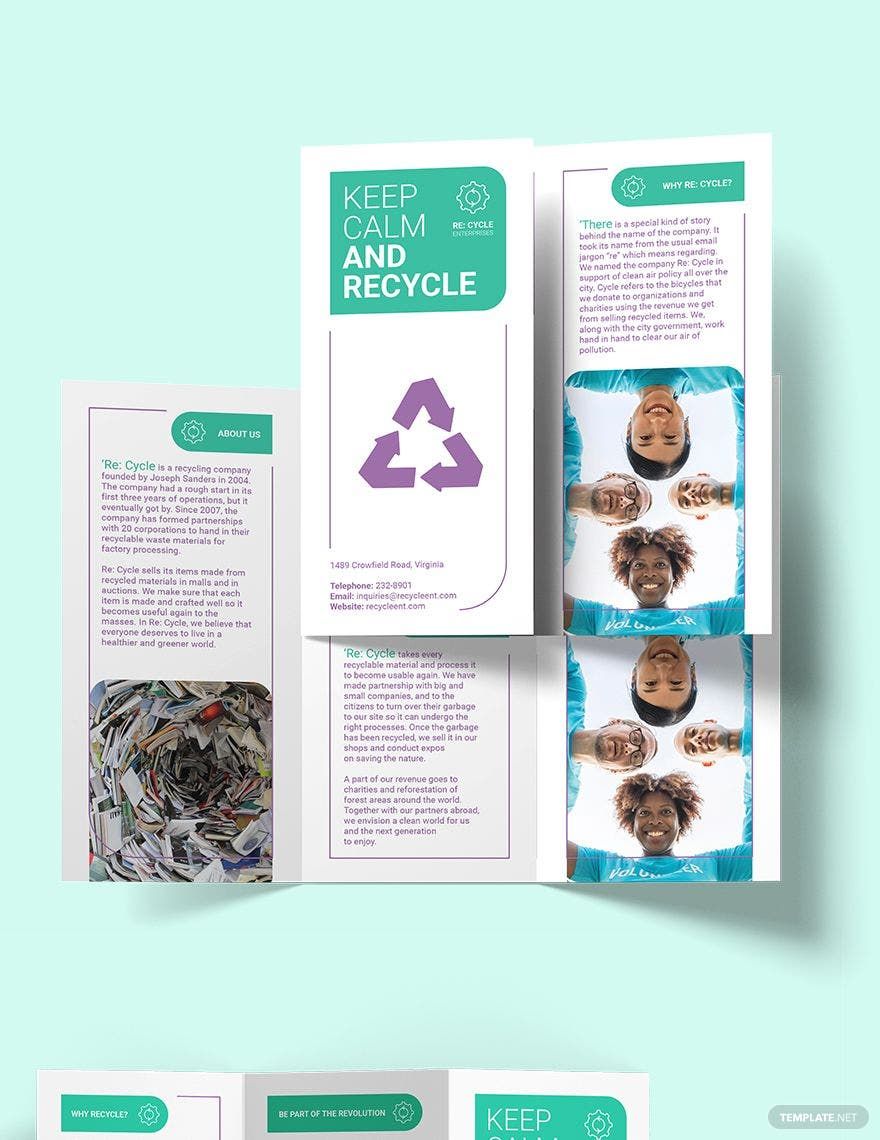
Recycling TriFold Brochure Template in Publisher, Illustrator, PSD

Recycle Ecology Banner Template Design with Frame and Green Background
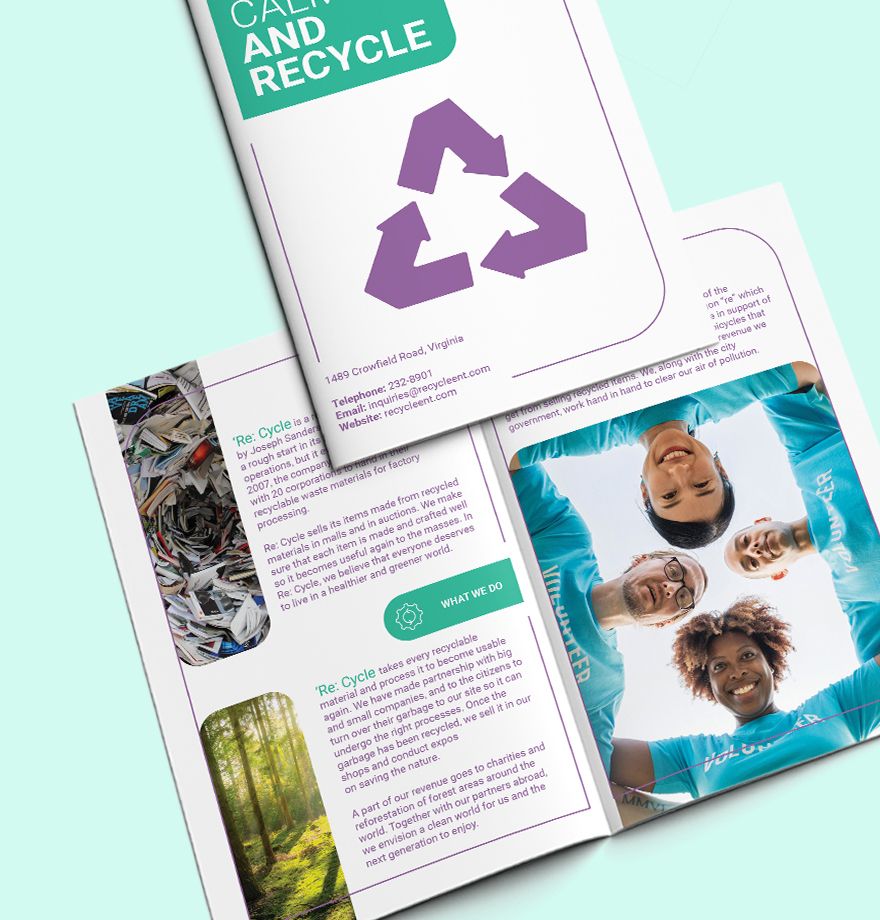
Recycling BiFold Brochure Template in Publisher, Illustrator, Pages

Recycled Paper Brochure Printing Aura Print

Bold, Serious, Recycling Brochure Design for RecycleForce by Deziners

Recycling Brochure Template

Recycling Brochure Template

Recycling Brochure Template
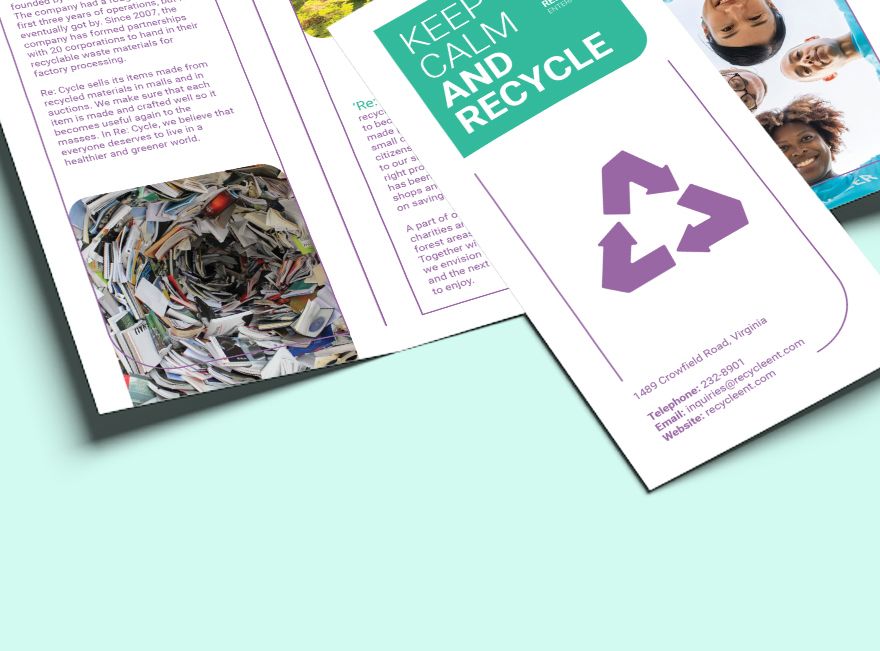
Recycling TriFold Brochure Template in Publisher, Illustrator, PSD

Recycle+poster+example1.jpg (1600×1236) Recycle poster, What to
There Is Good News For Those Who Are Worried About How Their Junk Mail Affects The World Around Them.
Magazines Can Be Recycled, But It’s Important To Check With Your Local Recycling Center To Ensure They Accept Them.
Magazines Can Be Repurposed In Various Creative Ways.
Don't Worry About Removing Staples Or Covers;
Related Post: