
Brochure Of Digestive System
Brochure Of Digestive System - The digestive system is divided into several organs, each with its own function. Digestion is essential for converting food into energy and nutrients that the body needs for growth, repair, and daily functions. Do you know your risks? The digestive system takes in food, breaks it down (digests), sends the usable parts off into the blood and gets rid of the waste. The system by which ingested food is acted upon by physical and chemical means to provide the body with absorbable nutrients and to excrete waste products is called digestive. Obesity and your gi health: List the parts of the digestive system and give their functions. Compare mechanical digestion to chemical digestion. The brochures below are available as adobe acrobat pdf files, which may be downloaded immediately. A group of organs that break down the food we eat into smaller molecules that can be used by body cells. View detailed diagrams of the stomach, liver, and other digestive organs. The system by which ingested food is acted upon by physical and chemical means to provide the body with absorbable nutrients and to excrete waste products is called digestive. There are many organs involved in the digestive system. These organs work together to break down food into molecules that can be used for energy. Digestion is essential for converting food into energy and nutrients that the body needs for growth, repair, and daily functions. The brochures below are available as adobe acrobat pdf files, which may be downloaded immediately. Do you know your risks? Explain the function of the digestive enzymes amylase, protease and lipase. Today we will be taking a tour through the digestive system! The tongue moves the food around to mix it with saliva from the salivary glands for. The system by which ingested food is acted upon by physical and chemical means to provide the body with absorbable nutrients and to excrete waste products is called digestive. The digestive system takes in food, breaks it down (digests), sends the usable parts off into the blood and gets rid of the waste. Digestion is essential for converting food into. Compare mechanical digestion to chemical digestion. The digestive system information about digestive health foundation an information leaflet for patients and interested members of the general public prepared by the digestive health. Do you know your risks? Obesity and your gi health: Learn about the digestive system with innerbody's interactive guide. There are many organs involved in the digestive system. Most ulcers (80 percent of gastric ulcers and 90 percent of. Learn about the digestive system with innerbody's interactive guide. Explain the function of the digestive enzymes amylase, protease and lipase. Do you know your risks? The digestive system is where we eat and digest food break it down (digest it), send the usable parts through the blood to the body organs and tissues and get rid of the waste that the body. The digestive system information about digestive health foundation an information leaflet for patients and interested members of the general public prepared by the. Without effective digestion, the body cannot. There are many organs involved in the digestive system. Learn about the digestive system with innerbody's interactive guide. List the parts of the digestive system and give their functions. View detailed diagrams of the stomach, liver, and other digestive organs. The digestive system is where we eat and digest food break it down (digest it), send the usable parts through the blood to the body organs and tissues and get rid of the waste that the body. A group of organs that break down the food we eat into smaller molecules that can be used by body cells. There are. Obesity and your gi health: The digestive system takes in food, breaks it down (digests), sends the usable parts off into the blood and gets rid of the waste. View detailed diagrams of the stomach, liver, and other digestive organs. The system by which ingested food is acted upon by physical and chemical means to provide the body with absorbable. The digestive system takes in food, breaks it down (digests), sends the usable parts off into the blood and gets rid of the waste. Learn about the digestive system with innerbody's interactive guide. The digestive system, which extends from the mouth to the anus, is responsible for receiving food, breaking it down into nutrients (a process called digestion), absorbing the. Do you know your risks? The digestive system is where we eat and digest food break it down (digest it), send the usable parts through the blood to the body organs and tissues and get rid of the waste that the body. The digestive system information about digestive health foundation an information leaflet for patients and interested members of the. These organs work together to break down food into molecules that can be used for energy. The digestive system takes in food, breaks it down (digests), sends the usable parts off into the blood and gets rid of the waste. The digestive system is where we eat and digest food break it down (digest it), send the usable parts through. Do you know your risks? The digestive system is where we eat and digest food break it down (digest it), send the usable parts through the blood to the body organs and tissues and get rid of the waste that the body. We will go through the mouth, esophagus, pharynx, stomach, small intestine, large intestine, along with other. Compare mechanical digestion to chemical digestion. Without effective digestion, the body cannot. Most ulcers (80 percent of gastric ulcers and 90 percent of. The digestive system is divided into several organs, each with its own function. Today we will be taking a tour through the digestive system! The function of the digestive system is to take in food, break it down into nutrient molecules (digest it), absorb nutrient molecules (usable parts) into the bloodstream, dispose of the waste. These organs work together to break down food into molecules that can be used for energy. The digestive system takes in food, breaks it down (digests), sends the usable parts off into the blood and gets rid of the waste. The digestive system information about digestive health foundation an information leaflet for patients and interested members of the general public prepared by the digestive health. A group of organs that break down the food we eat into smaller molecules that can be used by body cells. There are many organs involved in the digestive system. The system by which ingested food is acted upon by physical and chemical means to provide the body with absorbable nutrients and to excrete waste products is called digestive. Explain the function of the digestive enzymes amylase, protease and lipase.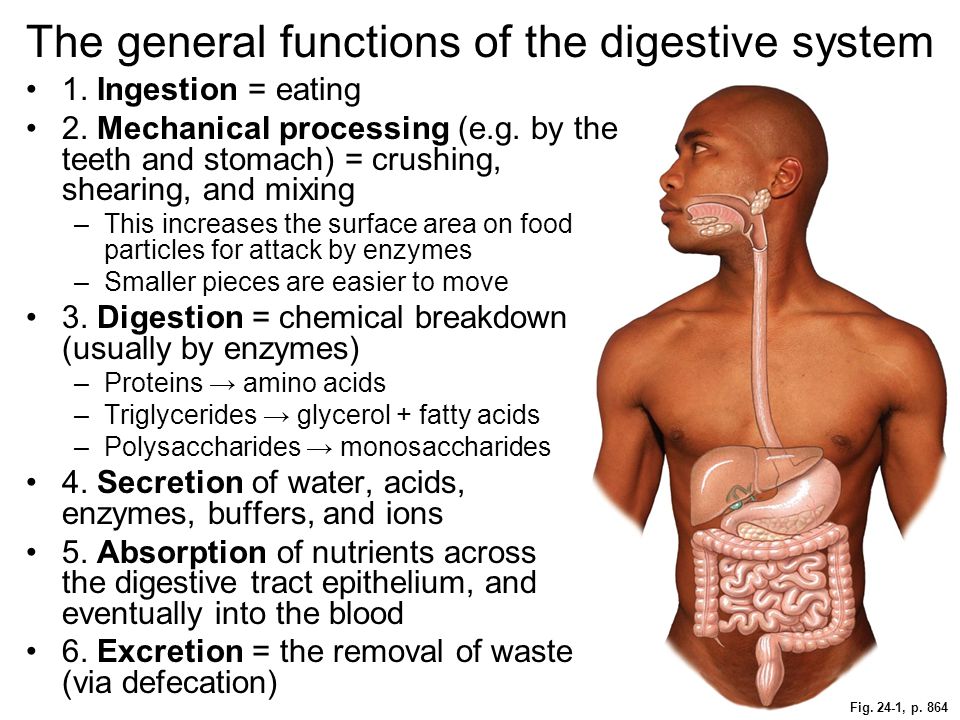
Ch. 24 The Digestive System ppt video online download

Your Amazing Digestive System Medical school studying, Digestive
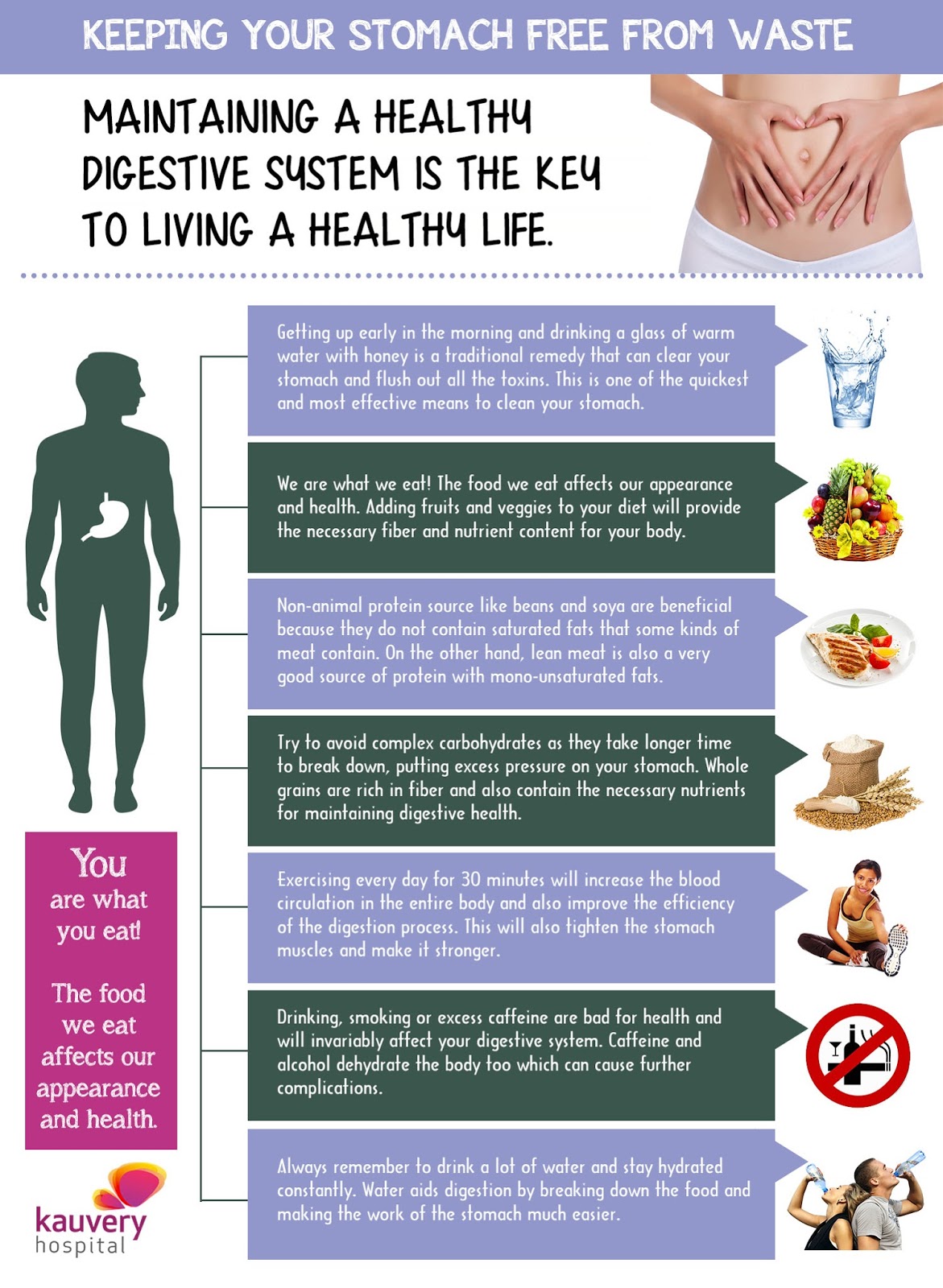
How to maintain a healthy digestive system Infographic Kauvery Hospital

Digestive System Infographic
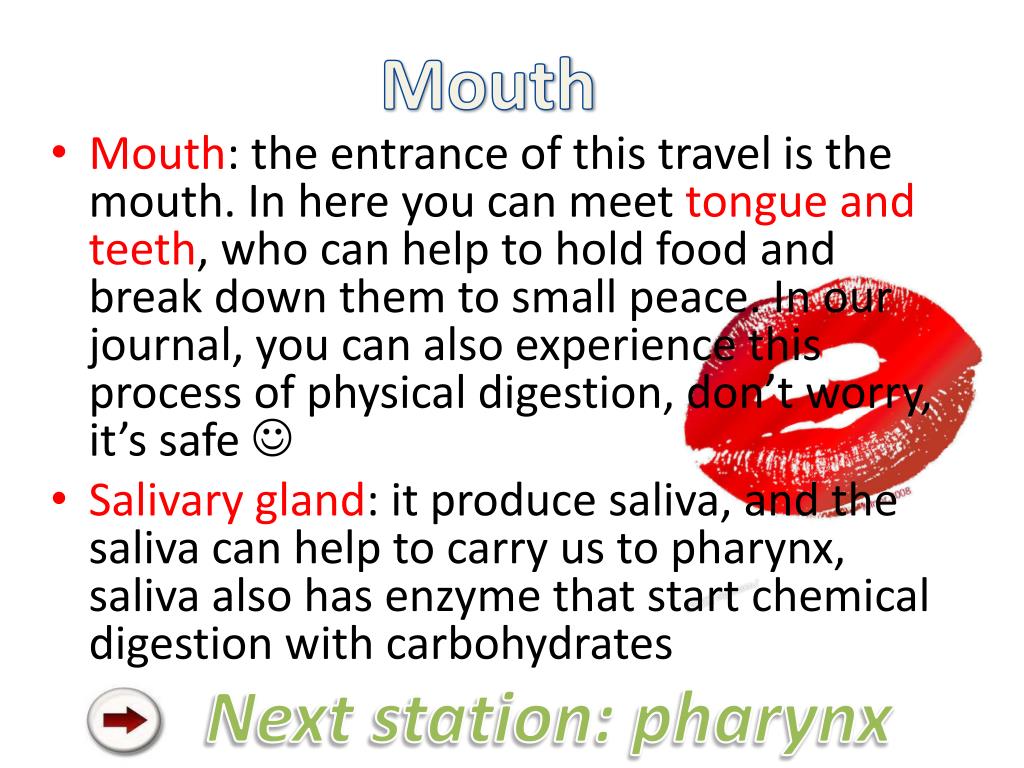
PPT This is the brochure of the tour through the HUMAN DIGESTIVE
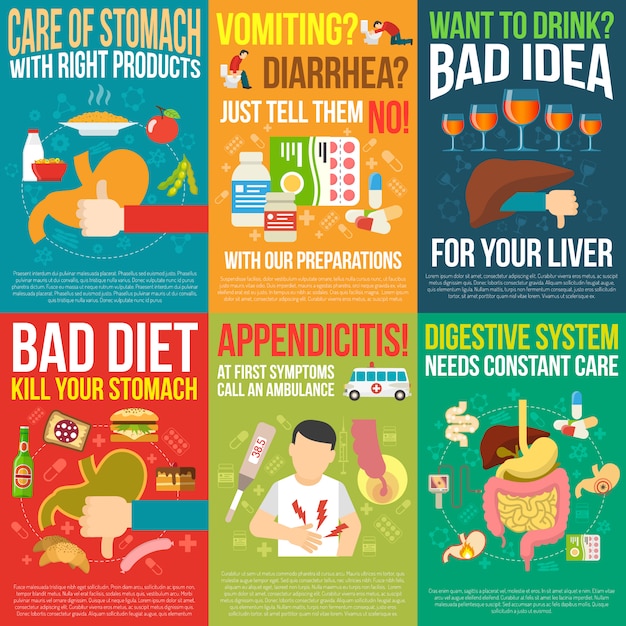
Carteles de digestión Vector Gratis
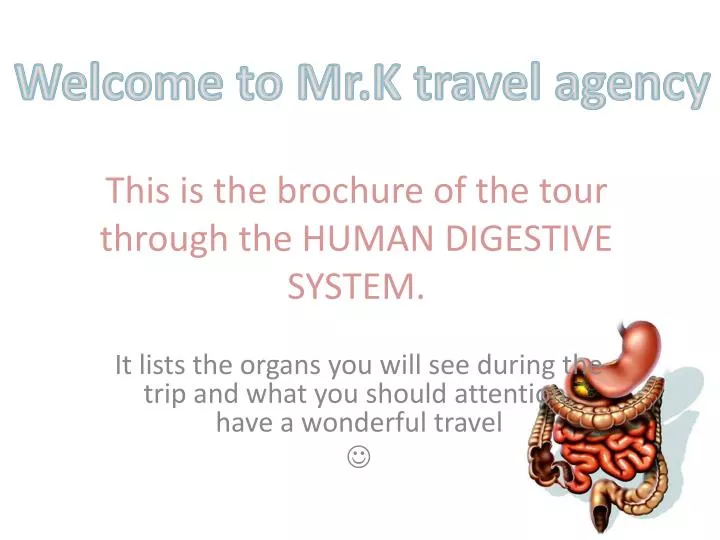
PPT This is the brochure of the tour through the HUMAN DIGESTIVE

The Digestive System Study Guide (2E) 4x9 ClinicalPosters
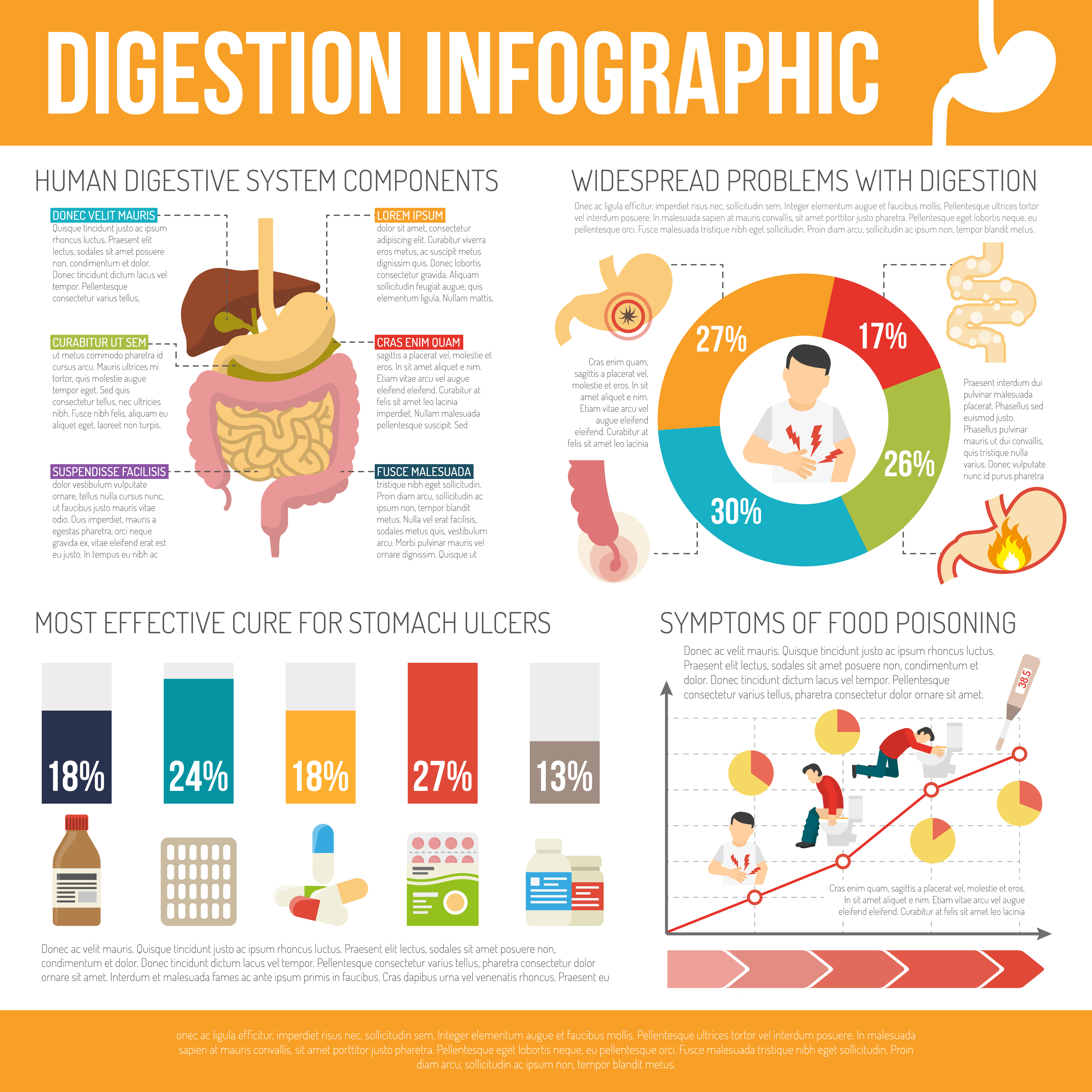
Digestive System Infographic

Organs Of The Digestive System Diagram
Obesity And Your Gi Health:
The Digestive System Is Where We Eat And Digest Food Break It Down (Digest It), Send The Usable Parts Through The Blood To The Body Organs And Tissues And Get Rid Of The Waste That The Body.
Learn About The Digestive System With Innerbody's Interactive Guide.
The Brochures Below Are Available As Adobe Acrobat Pdf Files, Which May Be Downloaded Immediately.
Related Post: